🧭 How to access the IW2OHX Digital Ham Radio Station?
Pick the way you want to reach the station — each box opens a short answer: what to connect to, on which frequency or address, and with what. Full details are in the sections below.
VHF/UHF Packet Radio
| Frequency | Mode | UTC |
|---|---|---|
| 144.825 MHz | FM AFSK 1200 Bd | 24h |
| 433.725 MHz | FM G3RUH 9600 Bd | 24h |
Connect to
- IW2OHX-12 (BOLFLX) — RF access node; then C IW2OHX-13 for the LinBPQ node or C BOLHF for IW2OHX-15
- IW2OHX-8 — BBS · IW2OHX-10 — Winlink RMS (Packet session in Winlink Express)
You need
An FM radio plus a TNC or a soundcard modem (e.g. Direwolf, QtSoundModem) and a packet terminal. At the node prompt try ?, BBS, DX, CHAT, CONV, SHELL.
LoRa (70 cm and 868 MHz)
| Frequency | Use | LoRa parameters |
|---|---|---|
| 433.750 MHz | Packet Radio — AX.25 into the BPQ node IW2OHX-15 | BW 250 kHz · SF9 · CR 4/5 |
| 433.775 MHz | LoRa APRS — iGate IW2OHX-7 | BW 125 kHz · SF12 · CR 4/5 |
| 869.618 MHz | MeshCore — repeaters IW2OHX-RAK-RPT2, IW2OHX-RPT | EU/UK Narrow: BW 62.5 kHz · SF8 · CR8 |
You need
For packet: a LoRa board running a KISS TNC firmware set to the parameters above, then your usual packet client — connect IW2OHX-15 (BOLHF). For APRS or MeshCore: any LoRa APRS tracker or MeshCore companion on the matching preset.
HF Packet Radio
| Dial (USB) | Mode / audio centre | UTC |
|---|---|---|
| 14.1023 MHz | PR 300 Bd 1000 Hz (= Net105, 14.105 LSB 1700 Hz) · RPR 1500 Hz | 05–18 |
| 7.04945 MHz | PR AFSK IL2P 850 Hz + PR BPSK IL2P 2150 Hz · RPR 1500 Hz | 18–22 |
| 3.5911 MHz | PR 1000 Hz + 2000 Hz · RPR 1500 Hz | 22–05 |
| 10.1473 MHz | HF APRS (RPR / PR 2000 / 2400 Hz) | 24h |
Connect to
IW2OHX-15 (BOLHF) node, or IW2OHX-8 for the BBS. From the node, XNET takes you onward into the FlexNet network.
RPR = Robust Packet Radio (SCS modem). Hours follow the seasonal HF schedule.
Pactor
| Dial (USB) | Service | Modes | UTC |
|---|---|---|---|
| 7.05400 MHz | Winlink RMS IW2OHX | P1–4 | 24h |
| 14.10890 MHz | Winlink RMS IW2OHX | P1–4 | 05–21 |
| 21.11350 MHz | Winlink RMS IW2OHX | P1–4 | 09–18 |
| 3.5911 MHz | Winlink RMS IW2OHX | P1–3 | 22–05 |
| 7.04950 MHz | BBS IW2OHX / IW2OHX-8 | P1–4 | 24h |
| 14.11500 MHz | BBS IW2OHX / IW2OHX-8 | P1–4 | 05–21 |
| 14.1023 MHz | BBS IW2OHX / IW2OHX-8 | P1–3 | 05–18 |
| 7.04945 MHz | BBS IW2OHX / IW2OHX-8 | P1–3 | 18–22 |
How
Winlink: open a Pactor session in Winlink Express and pick IW2OHX from the channel list. BBS: connect IW2OHX-8 from your Pactor modem terminal. Station modem: SCS P4Dragon.
Frequencies are dial; Winlink lists the centre = dial + 1.5 kHz.
VARA HF
| Dial (USB) | Service | UTC |
|---|---|---|
| 7.05400 MHz | Winlink RMS IW2OHX | 24h |
| 14.10890 MHz | Winlink RMS IW2OHX | 05–21 |
| 21.11350 MHz | Winlink RMS IW2OHX | 09–18 |
| 3.5911 MHz | Winlink RMS IW2OHX | 22–05 |
| 7.04950 MHz | BBS IW2OHX / IW2OHX-8 | 24h |
| 14.11500 MHz | BBS IW2OHX / IW2OHX-8 | 05–21 |
| 14.1023 MHz | BBS IW2OHX / IW2OHX-8 | 05–18 |
| 7.04945 MHz | BBS IW2OHX / IW2OHX-8 | 18–22 |
How
Winlink: open a VARA HF session in Winlink Express and connect IW2OHX. BBS: connect IW2OHX-8 with VARA Terminal or a BPQ VARA port.
Frequencies are dial; Winlink lists the centre = dial + 1.5 kHz.
ARDOP
| Dial (USB) | Service | UTC |
|---|---|---|
| 7.05400 MHz | Winlink RMS IW2OHX | 24h |
| 14.10890 MHz | Winlink RMS IW2OHX | 05–21 |
| 21.11350 MHz | Winlink RMS IW2OHX | 09–18 |
| 7.04950 MHz | BBS IW2OHX / IW2OHX-8 | 24h |
| 14.11500 MHz | BBS IW2OHX / IW2OHX-8 | 05–21 |
How
Winlink Express → ARDOP Winlink session, bandwidth 2000 Hz, connect IW2OHX. No ARDOP on 80 m.
Frequencies are dial; Winlink lists the centre = dial + 1.5 kHz.
SSH Gateway
No plain telnet is open to the Internet. One SSH key, bound to your callsign, gives you a menu:
- 1 DXSpider cluster IQ2LB-6
- 2 LinBPQ node IW2OHX-13 — logged in as your callsign, no password
- 3 your own shell on the gateway host
Get access
- Email your callsign to iw2ohx@iw2ohx.net.
- You receive a ready-made package (key + launchers). Nothing to generate yourself.
- Run start.bat (Windows) or ./start.sh (Linux/macOS).
| Host | gw.iw2ohx.net | Port | 2229 | User | gwuser |
The same key also opens tunnels for loggers (DX cluster on localhost:7300) and the BBS web reader.
HAMNET
You need a HAMNET access (a local user access point, or a HAMNET VPN). Names resolve through the HAMNET resolver 44.148.228.53.
| Host | IP | Service |
|---|---|---|
| pr.iw2ohx.hamnet.radio | 44.144.128.131 | telnet … 23 — Telnet Gateway to IW2OHX-13 |
| dx.iw2ohx.hamnet.radio | 44.144.128.131 | telnet … 7300 — DXSpider IQ2LB-6, callsign only |
| dlc7.iw2ohx.hamnet.radio | 44.144.128.132 | (X)NET node IW2OHX-14 |
| lora.iw2ohx.hamnet.radio | 44.144.128.130 | MeshCore Remote Terminal, NEXUS gateway |
44-Net (AMPRNet)
You need a 44-Net address with a working IPIP route (AMPRNet gateway). Separate from HAMNET, same services.
| Host | IP | Service |
|---|---|---|
| iw2ohx.ampr.org | 44.134.24.1 | telnet … 23 — Telnet Gateway · telnet … 7300 — DXSpider |
| dlc7.iw2ohx.ampr.org | 44.134.24.2 | (X)NET node IW2OHX-14 (DLC7) |
| tnc4e.iw2ohx.ampr.org | 44.134.24.3 | (X)NET node IW2OHX-4 (TNC4e) |
Telnet Gateway — packet radio as yourself, over IP
Port 23 on pr.iw2ohx.hamnet.radio or iw2ohx.ampr.org (HAMNET and 44-Net sources only). You log in with your callsign and the gateway opens an AX.25 connection from your callsign to IW2OHX-13 — you land at the BPQBOL prompt as if you came by radio.
First time
- Over radio, FlexNet or NET/ROM, connect IW2OHX-13 and type SHELL — your account is created.
- In that shell run passwd and set a password.
- Now telnet pr.iw2ohx.hamnet.radio 23: login = callsign, password = the one you set.
Telnet sends the password in clear — use one you use nowhere else. 5 failed logins lock the account for 15 minutes.
📡 IW2OHX-15 BPQ System Pactor/Packet MBO
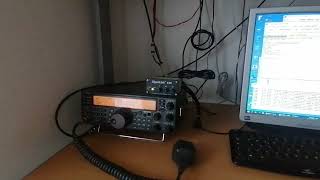
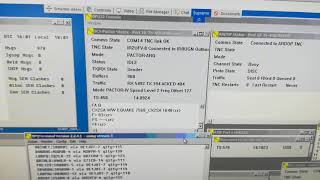
VHF/UHF/HF BBS and Winlink RMS — Multi-mode and multi-port digital system providing a gateway between the VHF/UHF Packet Network and HF Digital modes. Offers BBS, Winlink services, DXCluster and real time chat.
The outbound Pactor forwarding chains to OK0PBR, F3KT and GB7CIP are regenerated weekly from VOACAP HF-propagation forecasts. Each partner has a day / evening / early-night / night layout (40 m + 20 m + 15 m by day, 80 m at night), the bands ordered by predicted reliability, always ending in the partner's telnet / AX.25 / NET-ROM fallback. IU2EUG is a local VARA partner (groundwave, no VOACAP): 40 m then 20 m inside its 07:00–23:59 CEST listening window, NET/ROM via ALNODE otherwise.
These figures are measured, not forecast: real per-band RF connect and mail-move rates per partner, live WSPR band conditions from JN45, the agent's recommended band per partner right now, inbound activity by hour, and live Winlink HF traffic. They are compiled from the station's own forwarding logs plus WSPR and the Winlink Web Services API, and feed the agent that keeps the seasonal HF listening schedule tuned and flags any BBS/RMS that stops answering.
IQ2LB(0-5) (Flexnet) — JN45NO — Limbiate(MB) — 4,5km — 9k6 OK
IQ2LB(0-5) (AXUDP/Flexnet) — JN45NO — Limbiate(MB) — 4,5km — NPR70 130kbps OK
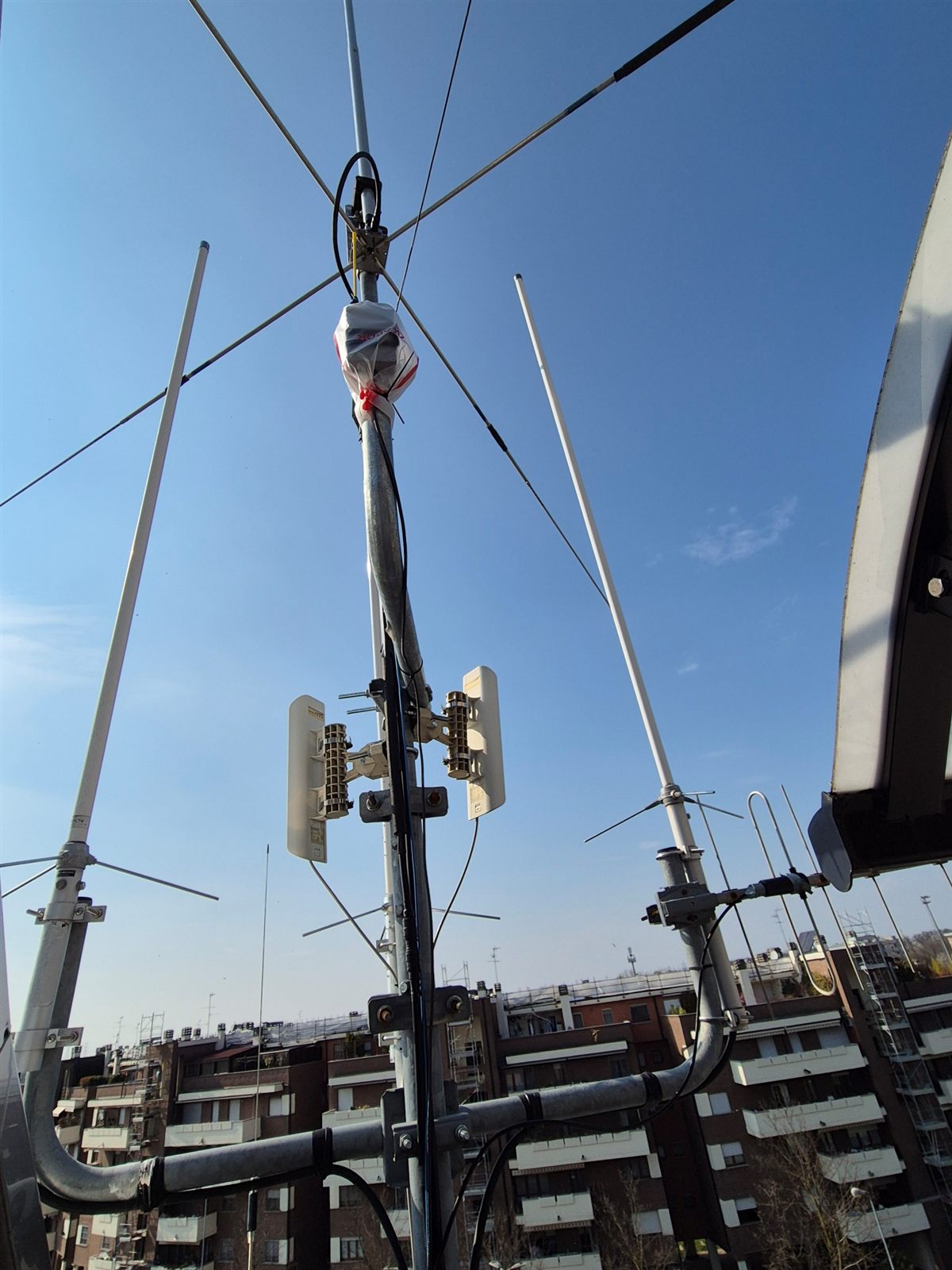
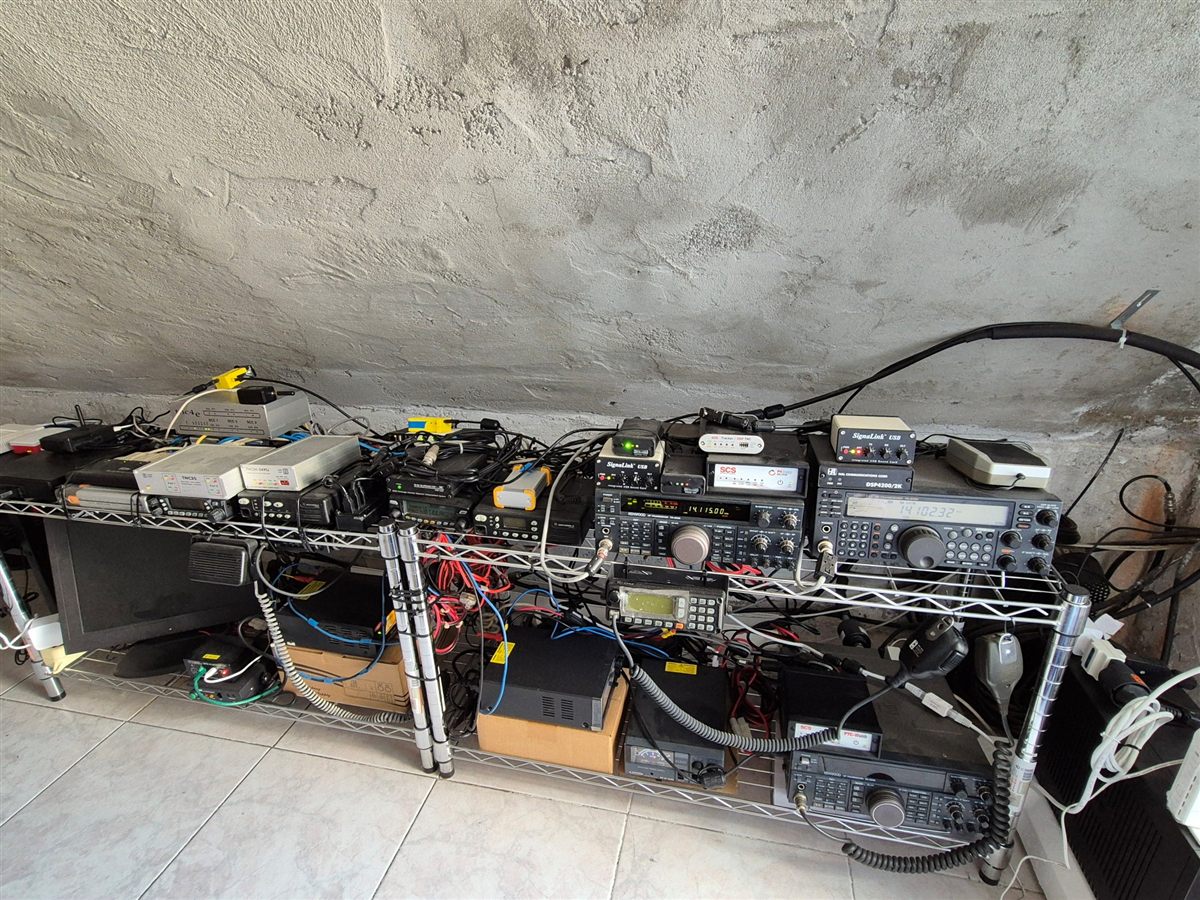
🖥 IW2OHX-14 (X)NET DLC7 Node
(X)NET is a multi-protocol packet radio node software (digipeater/router) developed by Jimy, DL1GJI. It is one of the most capable AX.25 node systems available, supporting up to 250 simultaneous users, NET/ROM, and FlexNet routing protocols, as well as AXIP and AXUDP over Ethernet — bridging traditional RF packet radio with modern IP networks. The IW2OHX-14 node runs (X)NET natively on a DLC7 (Data Link Controller 7), a high-performance TNC built around a 32-bit ARM7 microcontroller with 4 MB Flash and 32 MB RAM and native Ethernet connectivity.
🔐 SSH Gateway — Remote Packet Radio Access
The IW2OHX SSH Gateway is a hardened, Internet-facing SSH front door to the station's packet-radio services — so those services never expose a plain telnet port to the Internet again. You authenticate once, with your own SSH key, and are presented with a menu of backend systems. Your amateur-radio callsign is bound server-side to your key, so you are logged into the chosen node as your callsign, with no password to type — the gateway signs you in for you.
2. Marco generates a dedicated SSH key pair for you and provisions it against your callsign.
3. Marco sends you your private key over a secure channel he will arrange with you, plus a short note on how to connect.
🔒 You do not need to create any key yourself — just keep the key Marco sends private and safe.
• An SSH client — already built into Windows 10/11, macOS and Linux. PuTTY is optional: a copy (plink.exe) travels inside your package, and so does QtTermTCP if you asked for it.
• The package Marco sends you — save it somewhere safe and never share it.
| Host | gw.iw2ohx.net |
| Port | 2229 |
| Username | gwuser |
| Authentication | SSH public key only (ed25519) — no password |
• Connection → Data → Auto-login username: gwuser
• Connection → SSH → Auth → Credentials: browse to your .ppk private key.
• Click Open. (Command-line equivalent: plink -i <your callsign>.ppk -P 2229 gwuser@gw.iw2ohx.net)
🌐 IQ2LB-6 DXCluster
Registered access — DXCluster 2.0 network
Write to iw2ohx-at-iw2ohx.net to get registered.
IQ2LB-6 is part of the DXCluster 2.0, a secure and regulated network. The cluster listens on port 7300/tcp; how you reach it depends on the network you are connecting from.
📶 HAMNET — Highspeed Amateur Radio Multimedia Network
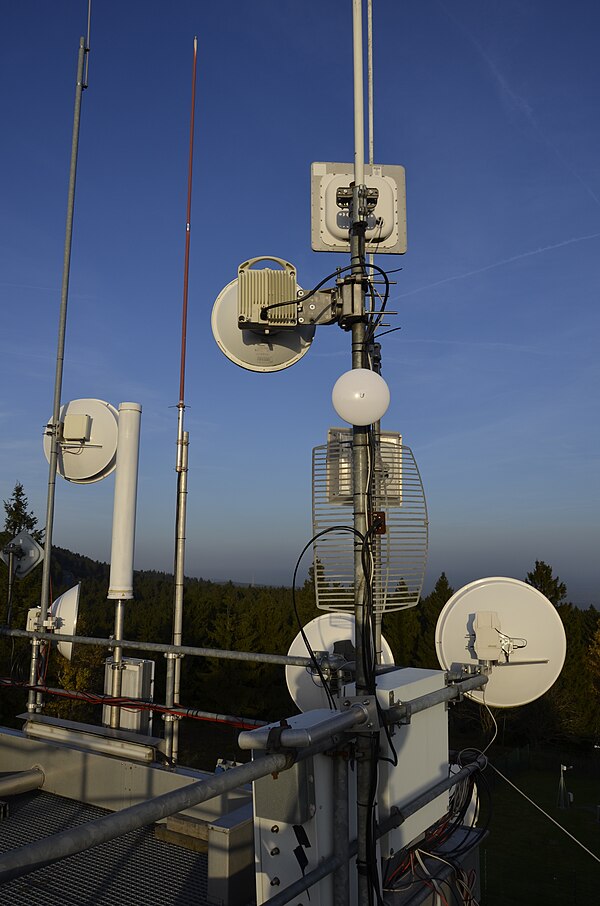
HAMNET is a high-speed IP network built and operated by radio amateurs across Europe, conceived by Jann Traschewski (DG8NGN) and the German Amateur IP-Coordination Team. Operating primarily on the 6 cm band (5.6–5.8 GHz), HAMNET interconnects relay stations, digipeaters, and amateur services at speeds from 1 Mbit/s up to 1 Gbit/s using commercial wireless equipment such as Mikrotik RouterBoards and Ubiquiti radios. The network leverages the international AMPRNet (44.x.x.x) address space, BGP routing between autonomous systems, and has largely replaced the legacy Packet Radio backbone in Central Europe since 2008. By 2016 it counted over 4,000 nodes and continues to grow beyond the German-speaking regions.
🗼 AREDN Nodes
Mesh networking nodes providing high-speed data links. View Live Map
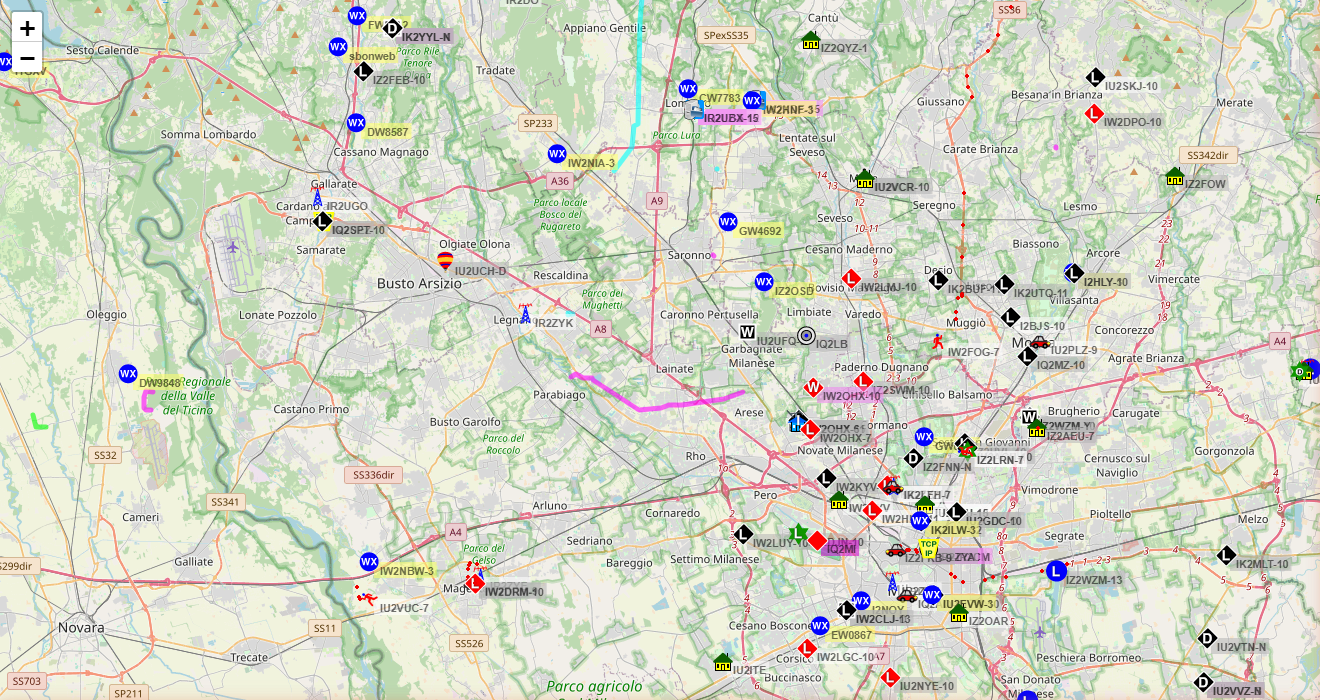
📡 LoRa APRS — Long Range APRS on 70 cm
LoRa APRS combines Long Range (LoRa) chirp-spread-spectrum modulation with the Automatic Packet Reporting System (APRS), enabling position reports, weather data and messaging over the 70 cm band. Unlike traditional 2 m FM AFSK, LoRa signals can be decoded well below the noise floor, delivering exceptional range with low-power ESP32-based hardware. The IARU Region 1 recommended frequency is 433.775 MHz (uplink), with 433.900 MHz for the downlink. LoRa APRS is fully interoperable at the application layer with conventional AX.25 APRS — all stations appear on aprs.fi alongside legacy 2 m traffic. Typical hardware cost starts at around $20 for an iGate and $35 for a tracker, using boards like LILYGO T-Beam or LoRa32.
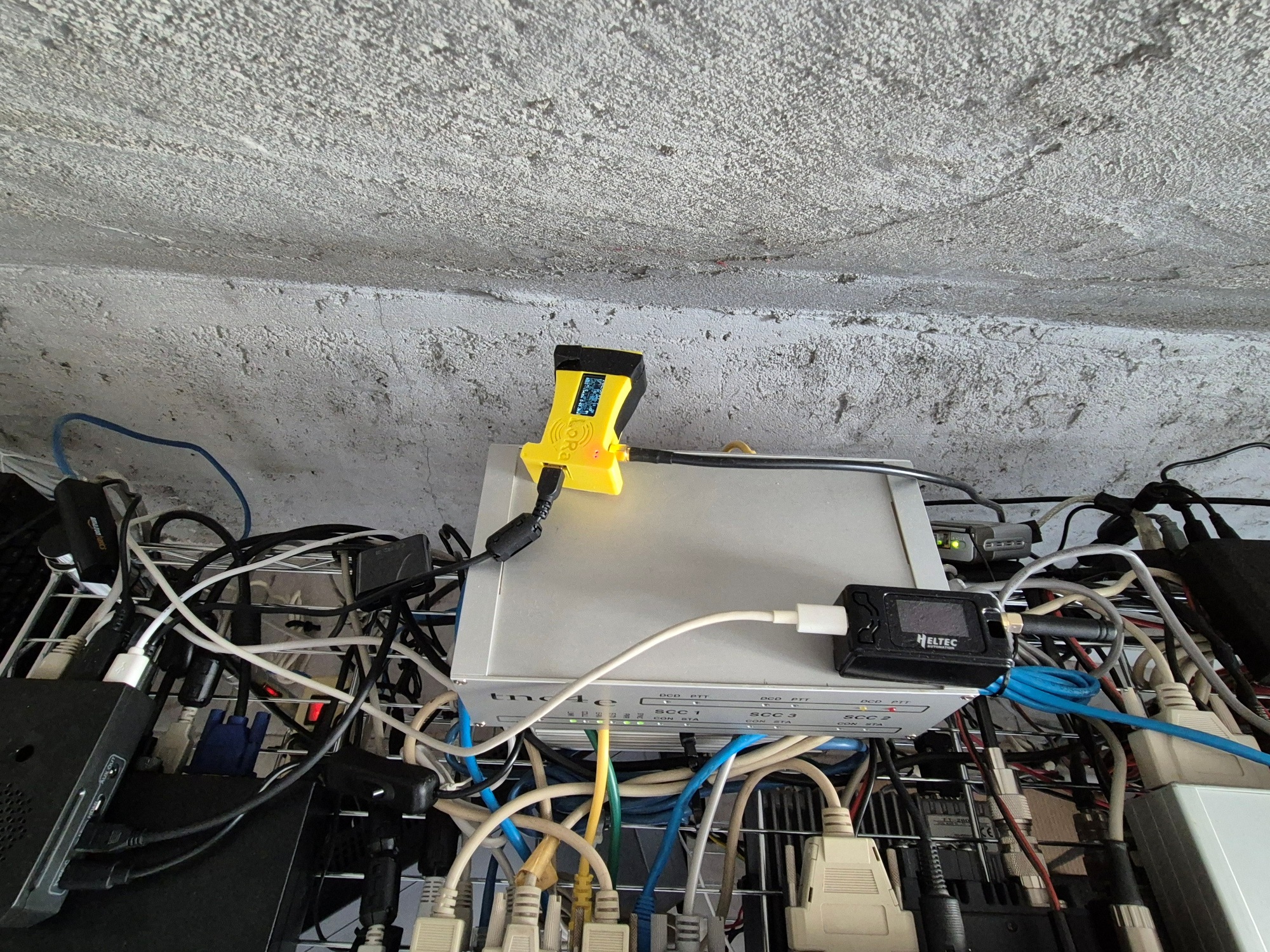
Location: Bollate (MI) — JN45NN
Position: 45°32.51′ N 9°07.22′ E
Device: ESP32 LoRa iGate (CA2RXU firmware)
Bandwidth: 125 kHz
Spreading Factor: SF12 (293 bps)
Coding Rate: CR 4/5
🌐 MeshCore — Off-Grid LoRa Mesh Network
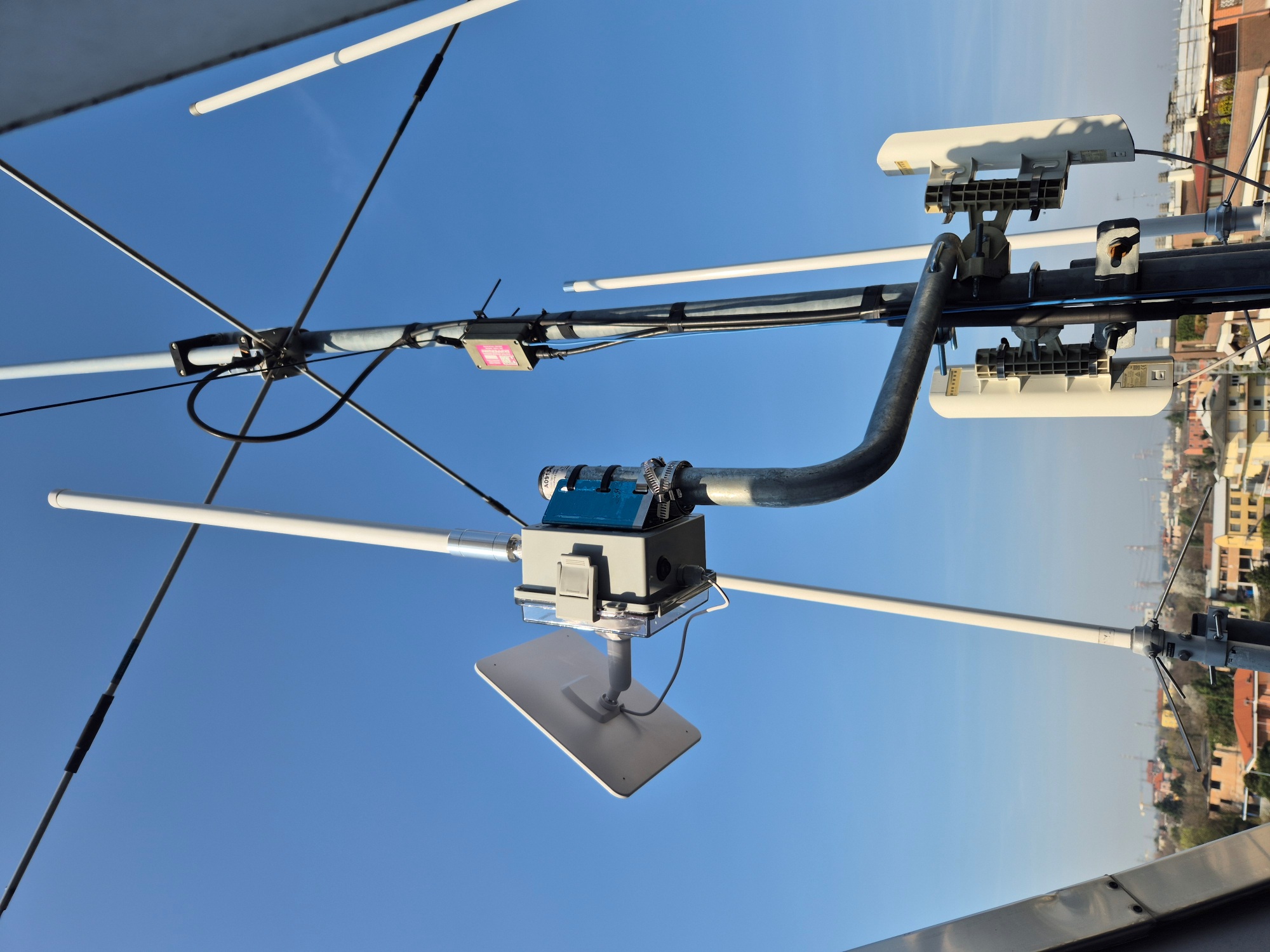
MeshCore is a lightweight, open-source C++ library that enables multi-hop packet routing for LoRa radios, creating resilient, decentralised communication networks that work entirely without the internet. Unlike traditional mesh protocols, MeshCore minimises radio chatter through a hybrid routing approach, combining low power consumption with end-to-end encryption for private messages. It runs on popular ESP32-based LoRa hardware such as the RAK WisBlock, Heltec V3/V4, LilyGo T-Beam and T-Deck. Supported by an active open-source community, the MeshCore network has grown to over 16,000 monitored nodes worldwide as of early 2026.
Type: Repeater
Public key:
5650a289eae83dbf54ea4c76394ee7d74fd5aa158cc26c6111059324c4b8fb4b
Frequency: 869.618 MHz
Coding Rate: 8
Spreading Factor: 8
Bandwidth: 62.5 kHz
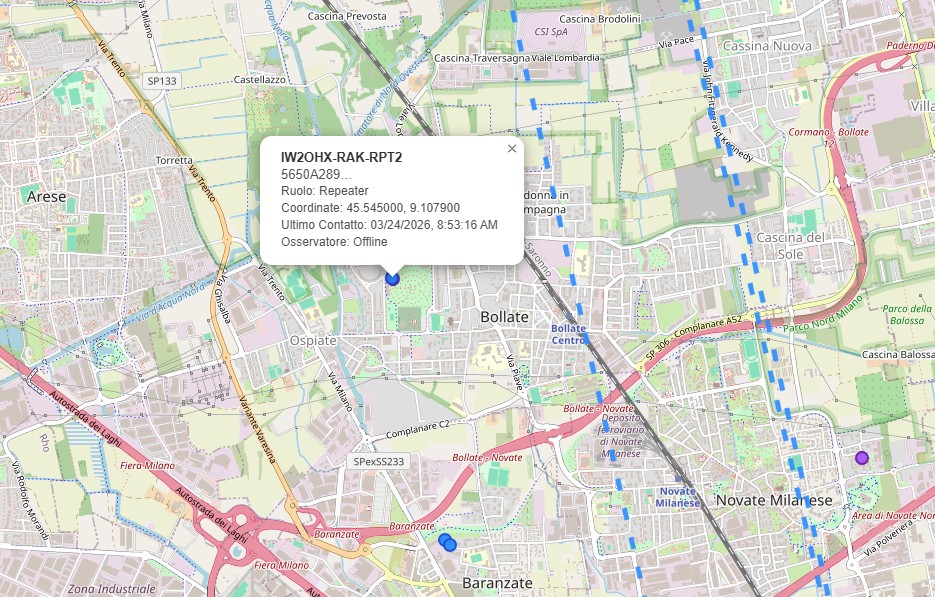
Type: Repeater
Public key:
55214319b952cd02c36386c896676122574fed3f4e3a0fd92adc2113d8703025
Frequency: 869.618 MHz
Coding Rate: 8
Spreading Factor: 8
Bandwidth: 62.5 kHz
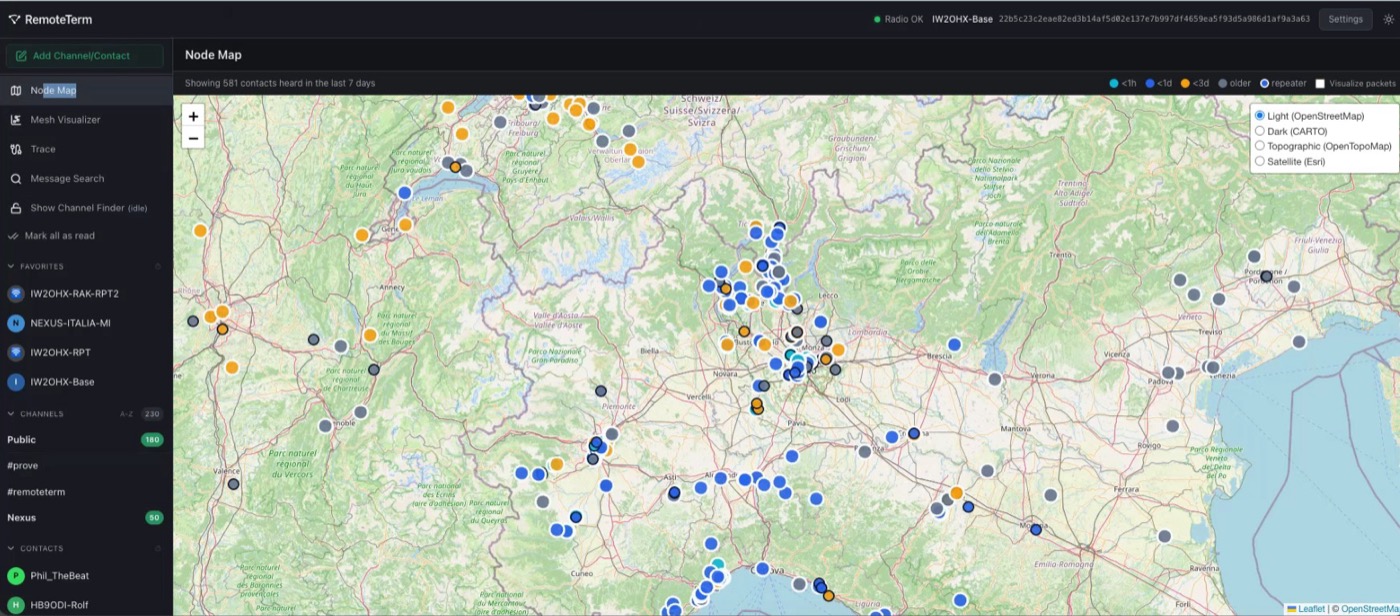
The IW2OHX station runs a RemoteTerminal instance on IW2OHX-Base, a Raspberry Pi directly connected to a MeshCore node via USB. IW2OHX-Base also acts as an Observer for the MeshCore Italia network map, continuously listening to mesh traffic and forwarding node telemetry to the centralised monitoring infrastructure — so it serves as both a remote access gateway and a passive network observer in a single deployment.
🎙 D-Star IW2OHX Digital Voice Repeater Currently Off
RPT1: IW2OHX B
RPT2: IW2OHX G
D-PRS / D-Rats Enabled
IRCDDB Callsign Routing Enabled
CCS7 Enabled
Modulo B Code: 22221472
🔊 Yaesu Wires-X (System Fusion) IW2OHX
APRS Enabled
✉ Winlink — IW2OHX RMS Gateway
Winlink is a worldwide volunteer-operated radio messaging network that provides email with attachments, position reporting, weather bulletins, and emergency communications over amateur-band radio frequencies. The system can operate completely without the internet using smart-network radio relays. It follows a three-layer architecture: Common Message Servers (CMS) hosted on redundant cloud infrastructure, Radio Message Servers (RMS) that act as gateways between radio and the internet, and clients running Winlink Express software. Messages originating on Winlink can be delivered to any standard email address via the CMS SMTP gateway.
Coverage: Mediterranean area and part of Central Europe
Software: BPQ — offering Winlink, BBS, CHAT, and HF/V/U Packet-Pactor Gateway
Local access: Multiport Packet node with radio ports at 1200 Bd and 9600 Bd
VARA HF
ARDOP 2000
Robust Packet
FM Packet 1200 / 9600
SignaLink USB (VARA, ARDOP, HF Packet)
BPQ32 node software
HF transceiver + multiport TNC
The station's outbound RMS forwarding chain is regenerated weekly from VOACAP HF-propagation forecasts crossed with the live Winlink RMS gateway list. Each time window offers up to 8 gateways ordered by predicted reliability, on the band open at that hour (80 m at night, 40 m by day), always ending in a telnet/CMS fallback.
| Frequency | Mode | UTC Schedule |
|---|---|---|
| 3,592.600 kHz | Pactor 1, 2, 3 | 22:00–05:00 |
| 7,055.500 kHz | Pactor 1, 2, 3, 4 | 00:00–23:00 |
| 14,110.400 kHz | Pactor 1, 2, 3, 4 | 05:00–21:00 |
| 21,115.000 kHz | Pactor 1, 2, 3, 4 | 09:00–18:00 |
| Frequency | Mode | UTC Schedule |
|---|---|---|
| 3,592.600 kHz | Robust Packet | 22:00–05:00 |
| 7,055.500 kHz | Robust Packet | 00:00–23:00 |
| 14,103.800 kHz | Robust Packet | 05:00–18:00 |
| 14,110.400 kHz | Robust Packet | 05:00–21:00 |
| 21,115.000 kHz | Robust Packet | 09:00–18:00 |
| Frequency | Mode | UTC Schedule |
|---|---|---|
| 7,055.500 kHz | ARDOP 2000 | 00:00–23:00 |
| 14,110.400 kHz | ARDOP 2000 | 05:00–21:00 |
| 21,115.000 kHz | ARDOP 2000 | 09:00–18:00 |
| Frequency | Mode | UTC Schedule |
|---|---|---|
| 3,592.600 kHz | VARA | 22:00–05:00 |
| 7,055.500 kHz | VARA | 00:00–23:00 |
| 14,110.400 kHz | VARA | 05:00–21:00 |
| 21,115.000 kHz | VARA | 09:00–18:00 |
| Frequency | Mode | UTC Schedule |
|---|---|---|
| 144.8250 MHz | Packet 1200 (IW2OHX-10) | 00:00–23:00 |
| 433.7250 MHz | Packet 9600 (IW2OHX-10) | 00:00–23:00 |